6 Ways to Bring Authentic Learning to Your Health Class
When I was in 8th grade, I was assigned a project on career exploration. At the time, I was obsessed with music, and wanted nothing more than to be a radio DJ. My friend and I researched everything we could get our hands on (not an easy feat before the dawn of the Internet) about becoming a DJ, and even got to visit the local radio station.
While sitting in as guests in the studio, we were asked to select a song. My friend Gina asked for New Kids on the Block, but I said we should play something “new and fresh”, like Milli Vanilli.
It’s one of my favorite memories from middle school, and not just because of my ridiculous song choice.
It was memorable because I felt like I was actually doing something for real, not just for a grade. The learning experience was so rich that I can still recall all of the details, even though I can’t remember if I got an A or a B.
That’s what learning should be- student-directed, inquiry based, collaborative, and full of “real-life” connections.
With a subject as universal as health, we’re blessed with abundant opportunities to bring authentic learning to our classes. Here are 6 ideas to get started with yours.
Give student work a public audience
- Join a campaign like Food Revolution Day by chef Jamie Oliver, which aims to bring food education into schools. Not only will students learn how to cook, but they can share their work on social media and practice their advocacy skills.
- Have students organize a community wellness fair. Students can run talks, give cooking demonstrations, offer fitness classes, and see if local health and wellness professionals would like to get involved. Check out the resources at Action for Healthy Kids for tips, handouts and ideas.
Have your class create a school-wide advocacy campaign
- Inspire kids to advocate for healthier school lunches. After watching a documentary about a group of students from New Orleans who took on their cafeteria provider, have your students create their own campaign and get more fresh and tasty food available in your school.
- Join a fitness challenge like the Billion Mile Race from the New Balance Foundation. Students rack up miles by running and walking during class and in their free time, and can check their school’s stats as they go. A little healthy competition is a great motivator to get up and moving.
Break down the classroom walls and get out into the community
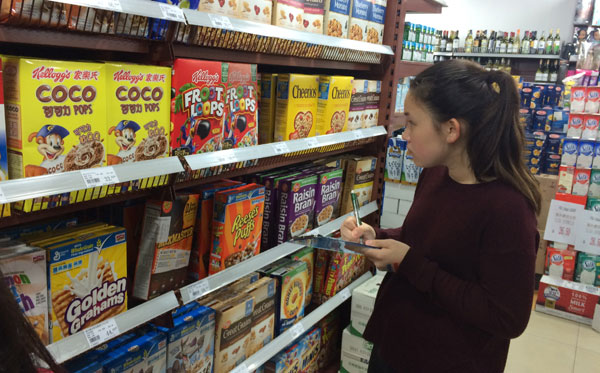
- Have students organize a healthy field trip. They can take a trip to the market, go to a yoga studio, or visit a chef for a cooking demo. When students contact community experts themselves, they’re much more likely to get offers for free lessons and services.
- Go and visit a farm or vegetable garden. One of the best ways to get kids excited about fruits and veggies is when they’ve picked the produce themselves. If you don’t have the space or resources to plant a garden in your own school, find a local farm to visit and get your hands dirty for the day.
These are some ideas to get started, but the magic of authentic learning happens when it comes directly from the students. Ask yours what issue they feel passionately about, and guide them along as they create a project of their own.